

Before You Judge the Anger: Think About Why DaphoDILL, a Black Gay Woman in America, Is Still Fighting to Survive — The Story That Left Everyone in Tears
Screenshot
How much pain should one person carry before the world asks what happened instead of asking why she is angry? How many times should someone have to explain herself before people decide to listen instead of judge? What does it mean to be a Black gay woman serving a country that still wrestles with race, equality, and the promise that every person deserves to be treated with dignity? Before anyone judges Shannon Leeann Dill’s anger, they should first understand the life that shaped it. This story begins long before military service, long before deployment, long before recovery, and long before poetry and music became another language. It begins with a little Black girl growing up in Mississippi, learning that the world could see her before it ever took the time to know her. It follows her through military service, through triumphs and disappointments, through recovery one day at a time, and through the determination to keep asking questions that refuse to disappear. It also follows the journey of an artist who transformed pain into poetry, experiences into music, and silence into words. Every chapter of her life became another verse in a song that was still being written. Before judging the anger, understand the journey that came first.
The phrase The Truth Finally Has Somewhere to Stand became more than a title because it represents the hope that every person’s story deserves a place where it can exist without being ignored. Throughout Shannon’s life, the numbers twenty-two, twenty-four, twenty-five, and twelve carried meaning beyond ordinary dates on a calendar. Twenty-two became a reminder of the national conversation surrounding veteran suicide and raised another question that often receives less attention: what happens before someone reaches that point? Twenty-four became the age she returned home from deployment carrying experiences that could not simply be unpacked alongside a military duffel bag. Recovery also became twenty-four hours at a time because some days could only be lived one day at a time. Twenty-five marked a decision that life would become about rebuilding instead of merely surviving. Twelve represented every month of every year because healing, accountability, and growth never belong to a single awareness month or anniversary. Those numbers became landmarks rather than limitations, reminders that difficult seasons do not have to become permanent destinations. Every statistic begins with a human being, every headline begins with someone’s life, and every life deserves to be understood before it is judged. The questions remain: Who gets heard? Who gets believed? Who gets forgotten? And who decides the difference?
Long before Shannon wore a military uniform, there was Mississippi. Mississippi was home, history, contradiction, resilience, beauty, struggle, music, faith, family, and culture woven together in ways that could not easily be separated. Growing up there meant learning that history was never confined to textbooks because it lived in neighborhoods, churches, classrooms, conversations, and everyday life. Shannon learned early that being Black could influence how people saw her before they knew anything about her character. Those experiences planted questions that continued growing throughout her life. What does it mean to be Black in America? What does it mean to inherit both pride and pain from generations that came before? What does it mean to love a country while recognizing that its history has not always loved everyone equally? Mississippi also introduced Shannon to the power of storytelling through blues, gospel, soul, and spoken word, traditions that carried truth when ordinary conversations could not. Those influences eventually found another home inside her poetry and music. Before anyone understands the woman Shannon became, they must first understand the place that helped shape her.
One of the first places those questions found a voice was through Shannon’s poem The Skin That I’m In. The poem is not simply about race; it is about identity, history, resilience, memory, and belonging. It asks what it means to carry generations of history inside one body while walking through a world that often forms opinions before learning someone’s story. It asks why some voices are amplified while others struggle to be heard. It asks why pain is sometimes questioned more than the actions that caused it. The poem became another language for expressing emotions that could not always fit inside conversations, reports, or ordinary explanations. It reminds readers that identity cannot simply be taken off whenever it becomes uncomfortable for someone else. It also asks whether anger should always be feared or whether it can sometimes become evidence of perseverance, survival, and the refusal to disappear. Before judging Shannon’s voice, ask what experiences gave it life. Before judging the anger, ask what happened first.
As Shannon grew older, another part of her identity became impossible to separate from the rest of her story. She was not only a Black woman from Mississippi but also a gay woman learning that acceptance could change from one room to the next. Some people welcomed her without hesitation, while others noticed her race, her sexuality, or their own assumptions before they noticed the person standing in front of them. What does it mean to live at the intersection of identities that have each faced discrimination in different ways throughout American history? What does it mean to wake up every morning knowing someone may judge who you are before you ever say a word? Those questions did not make Shannon bitter; they made her observant. They became part of the lens through which she viewed the world and part of the reason she continued writing, creating music, and asking readers to examine their own assumptions. Every experience became another reminder that identity is never just one thing, and every chapter of her life reflected another layer of what it meant to be Black, gay, a veteran, an artist, and a woman determined not to disappear into someone else’s expectations.
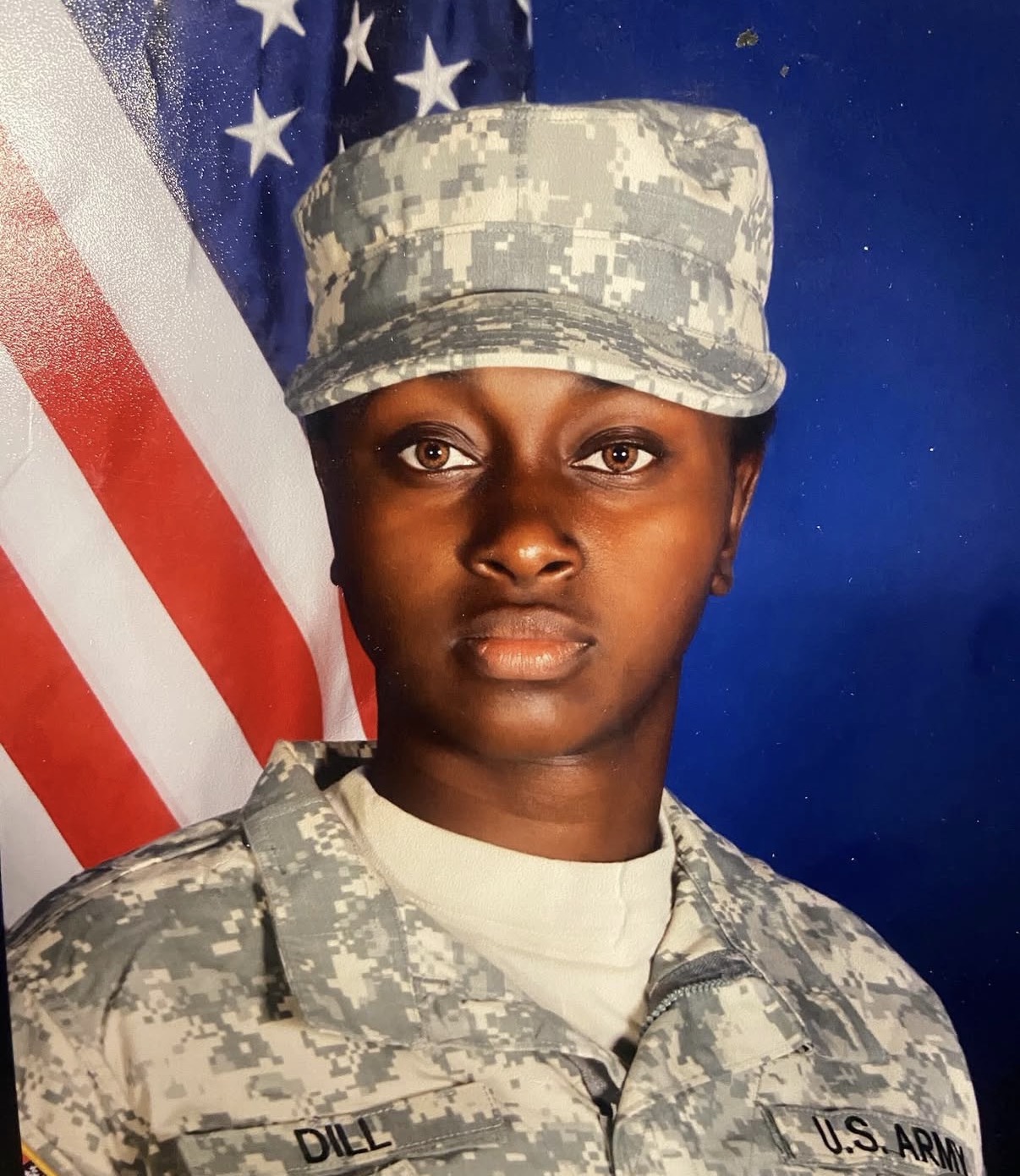
When Shannon made the decision to enlist in the United States military, she carried hope, determination, and a willingness to serve something greater than herself. She understood that generations of Black Americans had served this country with courage even while equality remained unfinished work, and she knew LGBTQ+ service members had also navigated changing policies and attitudes throughout military history. Wearing the uniform represented responsibility, discipline, sacrifice, and the belief that service mattered. Basic training tested her physically, mentally, and emotionally, teaching lessons about endurance that would remain long after graduation. Every challenge reinforced the idea that perseverance is often built one difficult day at a time. Shannon entered military service believing that integrity, accountability, and respect should never be optional values. She also believed that every service member deserved to be treated with dignity regardless of race, gender, or sexual orientation. What does service mean if people cannot trust the institutions built to support those who wear the uniform? What does patriotism ask of a person, and what should that person be able to expect in return? Those questions stayed with Shannon long after she completed her training and prepared for deployment.
Deployment carried Shannon far from Mississippi, but it never separated her from the lessons she learned growing up there. Military life demanded resilience, adaptability, teamwork, and the ability to keep moving forward even during uncertainty. Every day required discipline, and every mission depended upon people trusting one another under circumstances most civilians never experience. Shannon carried her experiences, her identity, and her determination into every assignment because those things could never be left behind with personal belongings. Deployment also became another chapter in a life that continued asking difficult questions rather than pretending difficult questions did not exist. What happens when someone returns home carrying experiences that cannot be explained in a single conversation? What happens when the uniform comes off but the memories remain? What happens when the journey home becomes more complicated than the journey away? Shannon’s life reminds readers that military service does not always end the day someone returns home, because many of the most important battles begin after the deployment has already ended.
Returning home at twenty-four years old marked the beginning of another chapter rather than the end of one. Recovery became part of everyday life, measured twenty-four hours at a time instead of years at a time. Every sober day became another promise to continue moving forward regardless of how difficult yesterday had been. Turning twenty-five became more than another birthday because it represented the decision to build a future instead of allowing the past to write every chapter that followed. Shannon chose to continue creating through poetry, music, advocacy, and education because those things reminded her that purpose could still grow after hardship. Recovery was not a straight line, and healing did not happen according to anyone else’s schedule. Some days brought progress, while other days required beginning again with the same determination. How many people quietly rebuild their lives while carrying stories that few people ever hear? How many continue smiling while fighting battles no one else can see? Shannon’s journey asks readers to remember that survival is not the destination; living is.
As Shannon continued rebuilding her life, another journey continued alongside it: the decision to keep asking questions. Why do some people stop reporting while others continue, even when the process becomes exhausting? What happens when someone refuses to let silence become the final answer? Shannon organized records, saved documents, wrote notes, and continued putting words on paper because every detail mattered to her story. She understood that paperwork can document dates, times, and events, but it cannot always capture fear, disappointment, resilience, determination, or hope. Some experiences become too large to fit inside a report, yet they remain part of a person’s life every single day. Shannon refused to allow her voice to disappear simply because the conversations became difficult. She continued writing, asking questions, and advocating because those actions became part of who she was. If this had happened to your daughter, your son, your sister, your brother, your spouse, or your closest friend, would you tell them to stop asking questions, or would you stand beside them while they searched for answers? How long would you continue searching if you believed your story still deserved to be heard? Those questions remain because accountability begins when people choose to listen instead of assuming they already know the whole story.
When ordinary conversations could no longer hold everything Shannon wanted to say, music became another language. The Skin That I’m In gave voice to questions about race, identity, history, and belonging, while Put That in the Press became a challenge to confront conversations about justice, accountability, service, and survival that are often left unfinished. One lyric asks, “We still living in hell, bitch where’s the redress?” That question reaches beyond one person because it asks what accountability, recognition, healing, and meaningful change should look like after harm has occurred. Shannon’s music also reflects on moments in American history that shaped national conversations about race, justice, veterans, equality, and civil rights. The Black Lives Matter movement encouraged millions of people to ask difficult questions about whose voices are heard, whose pain is acknowledged, and whose stories are forgotten. Throughout history, poetry, music, speeches, protest songs, and art have carried truths that official documents alone could never fully express. Shannon became part of that tradition by transforming lived experiences into poems, songs, and questions that invite readers to think instead of simply reacting. What happens when art becomes the only place where a person feels completely free to speak? What happens when a song tells a truth that paperwork never could? Sometimes music says what silence never will.
Shannon’s story is about far more than anger. It is about Mississippi, identity, military service, deployment, recovery, resilience, advocacy, poetry, music, and the decision to keep moving forward one day at a time. It is about asking questions that many people avoid because the answers are uncomfortable. It is about refusing to allow race, sexuality, military service, hardship, or adversity to become the final definition of a person’s life. Every poem, every lyric, every question, and every page reflects a woman who refused to disappear simply because the road became difficult. Before judging someone’s anger, ask yourself what happened before the anger existed. Before deciding that someone should have remained silent, ask whether you would have done the same if the story belonged to someone you loved. If this had been your life, would you have stopped asking questions, or would you still be searching for answers today? If your daughter, your son, your spouse, your sibling, or your closest friend had walked this road, would you tell them to give up or to keep going? Shannon chose to keep going. She chose to keep writing. She chose to keep creating. And above all, she chose to make sure her voice—and the questions that shaped it—would never be forgotten.
https://www.instagram.com/__daphodill__
Comments
0 comments