

The Root of the Problem at Veteran Affairs: Power Without Accountability Is Abuse
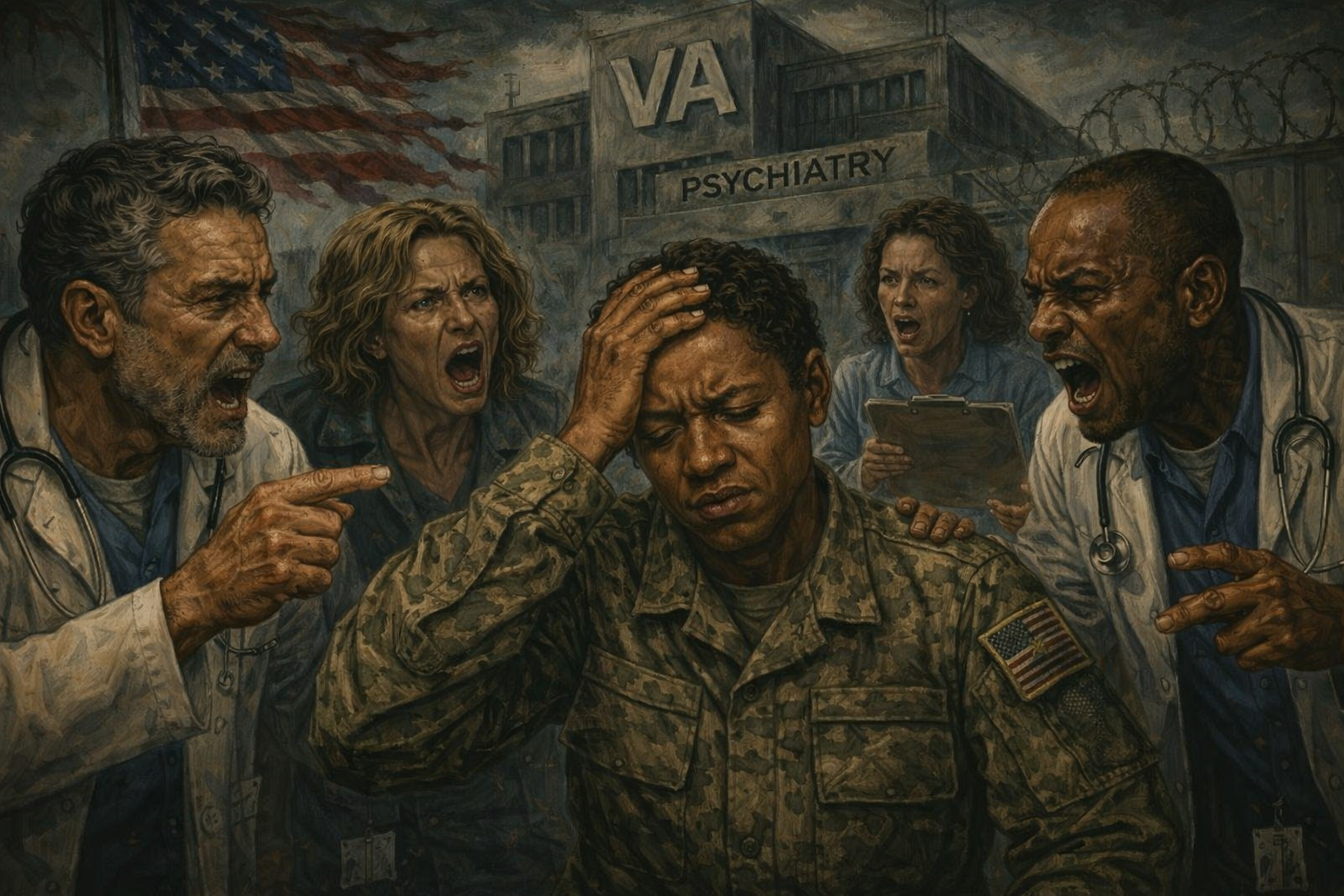
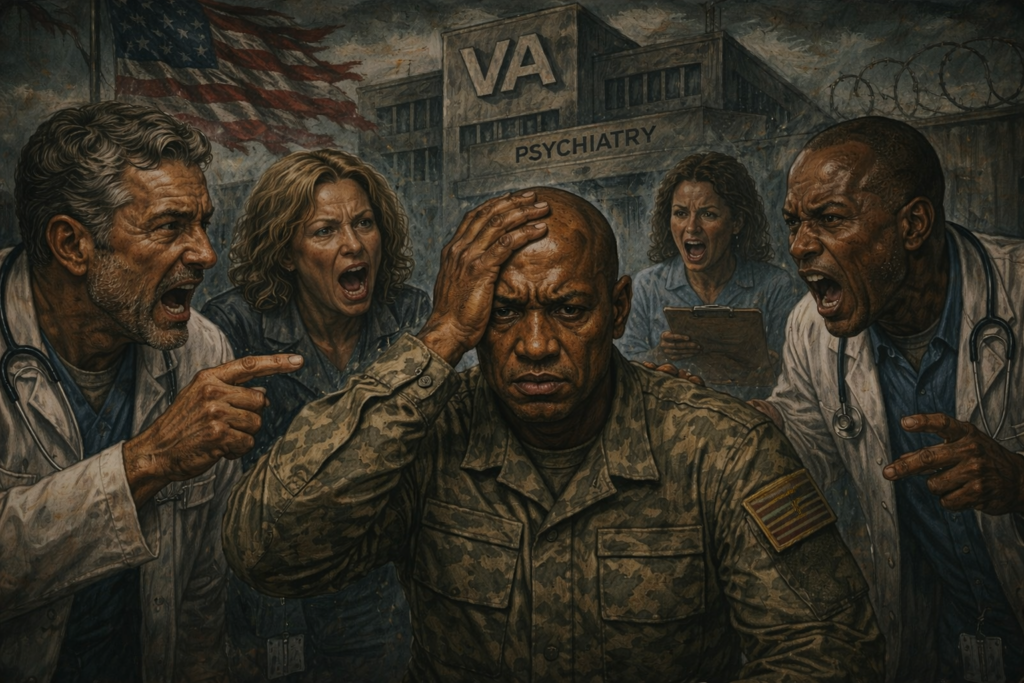
First, the root of the problem at the Department of Veterans Affairs is not confusion, miscommunication, or mere oversight. Rather, the root of the problem is that too many people in leadership are never truly held accountable for the harm they cause, the harm they permit, or the harm they cover up. Because there is so little real accountability, retaliation becomes a tool, silence becomes a strategy, and abuse becomes something that repeats itself under the protection of titles, credentials, policies, and institutional power.
To begin with, when leadership enters these roles with bias, cruelty, or a desire to control others, the entire system becomes dangerous for the very people it claims to serve. Instead of protecting veterans, some leaders discriminate against them, harass them, deny them care, manipulate their records, and then act offended when anyone dares to speak on what is happening. In other words, the problem is not only the original harm. The problem is also the deliberate pattern that follows: denial, gaslighting, intimidation, record manipulation, retaliation, and character attacks against the person who speaks up.
Moreover, retaliation is not a side issue in these spaces; it is often part of the sickness itself. Time and time again, when a veteran says no, says stop, files a complaint, asks for distance, requests peace, or simply tries to protect their own mind and body, the response is not respect. Instead, the response can be punishment. Suddenly, care is delayed. Benefits are questioned. Records become distorted. Concerns are minimized. The veteran is painted as the problem while the people abusing their authority continue acting as though they are above reproach. Consequently, what should be a place of treatment becomes a place of fear.
Furthermore, there are veterans who describe experiencing discrimination, harassment, sexual harassment, assault, and even rape in spaces where they should have been safe. There are veterans who report being ignored after raising concerns, ridiculed for their distress, or treated as though their boundaries mean nothing. There are veterans who say they have spent years, sometimes decades, seeking remedy, safety, understanding, sobriety, healing, health, wealth, peace, and a fair chance to live, only to be met with more interference, more obstruction, and more cruelty. That is not healthcare. That is not leadership. That is institutional betrayal.
In addition, one of the ugliest realities of abuse is that many perpetrators and enablers do not simply violate a person once; they continue violating that person by trying to control the story afterward. They deny what happened. They act as if the victim is confused. They try to steer language, reinterpret reactions, and weaponize trauma responses. They watch someone become upset by their own mistreatment, and then they point to that pain as proof that the victim cannot be trusted. Therefore, the abuse becomes layered. It is not only the original violation. It is also the psychological aftermath created by people who know exactly what they are doing and do it anyway.
Likewise, many survivors know what it feels like to say no, stop, and don’t, only to be ignored again and again. They know what it means to ask to be left alone, to ask not to be harassed, not
to be isolated, not to be manipulated, not to be touched, not to be surveilled, and not to be forced into anyone else’s narrative. Yet some institutions respond as though a veteran’s boundaries are optional, while staff members’ comfort, ego, and reputation are treated as sacred. That double standard is part of the violence. They expect the harmed person to remain polite, silent, and manageable while they themselves become angry the moment they are challenged.
Additionally, when a system allows abusive people to rise into leadership, those people do not suddenly become trustworthy because they have credentials or authority. On the contrary, power often gives them more room to refine their tactics. They learn how to discriminate while sounding professional. They learn how to retaliate while calling it procedure. They learn how to humiliate while calling it treatment. They learn how to dismiss complaints while calling it clinical judgment. They learn how to pressure, corner, confuse, and intimidate while pretending they are helping. As a result, institutional language becomes a shield for misconduct.
At the same time, many survivors try to make sense of behavior that feels calculated, invasive, and deeply violating. Some describe being watched, stalked, mentally toyed with, spiritually disturbed, or psychologically cornered while trying to pursue healing, education, sobriety, authorship, music, stability, and peace. Whether these experiences involve harassment, coercive control, intimidation, surveillance, record tampering, or other forms of abuse, the common thread remains the same: someone decided that a veteran’s choices, voice, body, privacy, and future were theirs to interfere with. That mindset is corrupt at its core.
Equally important, abuse that begins in childhood or earlier trauma does not become less serious when institutions exploit it later. If a person has already lived through grooming, sexual violence, coercion, or years of being ignored while saying no, then any system that plays with those wounds is not merely negligent. It is predatory. A child saying no should matter. An adult saying no should matter. A veteran saying no should matter. If an institution knows a person has a history of trauma and still chooses to provoke, disorient, mock, or corner them, that is not treatment. It is cruelty with paperwork.
Meanwhile, one reason this cycle continues is because too many people are more committed to protecting each other than protecting the vulnerable. Leaders protect leaders. Staff protect staff. Offices protect offices. Records protect reputations. And the veteran, once again, is told to calm down, wait, trust the process, or accept whatever version of events the institution prefers.
However, truth does not disappear just because leadership is uncomfortable with it. Pain does not become imaginary because a file says otherwise. And abuse does not become acceptable because people in authority agreed to normalize it.
For that reason, the demand must be more than sympathy. The demand must be accountability. Not performative concern. Not empty apologies. Not vague promises about improvement. Real accountability means consequences for abuse, consequences for retaliation, consequences for
falsified or misleading records, consequences for discrimination, and consequences for any leadership that allowed harm to continue under its watch. Until that happens, too many veterans will keep walking into systems that retraumatize them while calling it care.
Ultimately, the truth is simple: veterans should not have to beg to be treated like human beings. They should not have to fight for safety in the very places that advertise support. They should not have to keep proving that no means no, that stop means stop, and that their voice matters. They should not have to sacrifice peace, dignity, privacy, sobriety, healing, benefits, or their future just because powerful people refuse to control their own sickness. The real crisis is not that veterans are speaking out. The real crisis is that these institutions have allowed too many abusive people to stay comfortable for too long.
Finally, until leadership is forced to answer for what it has done, what it has ignored, and what it has encouraged through retaliation and silence, the same damage will continue repeating itself. Therefore, the issue is not merely bad behavior by a few individuals. The issue is an institutional
culture that too often protects power instead of people. And that is exactly why so many veterans are no longer asking politely. They are naming the harm, refusing the gaslighting, and demanding what should have existed all along: truth, accountability, safety, and justice.
Music :
https://music.apple.com/us/artist/daphodill/1530142784
https://youtube.com/@daphodill_music?feature=shared
https://open.spotify.com/artist/4l3L8lKnioOq22paJ8Hhk1?si=ok4BA5bpS6-dX7zSiflCTA https://audiomack.com/daphodill
https://on.soundcloud.com/HG4X9VL6et3615oq9
https://pandora.app.link/ChrAc1SIMkb
https://music.amazon.com/artists/B08TMVX1Q9?ref=dm_sh_eQrQEHh7cEfYapFDNWEXRbrex https://deezer.page.link/bDBg6mXPwkFYsHEN6
Social Links :
Twitter:
Instagram :
https://www.instagram.com/__daphodill__
Linktr.ee :
Facebook :
https://www.facebook.com/DaphoDILLMusic/
TikTok :
https://vm.tiktok.com/ZMRVodByp/
Threads :
https://www.threads.net/@__daphodill__
Comments
0 comments